
For lawns that suffer from the shade of large trees, tall fences, and building shadows, the choice of grasses becomes a bit limited. You can’t go with every grass type because most of them would die due to a lack of direct sunlight.
Choosing a grass variety for shade is definitely a struggle for beginner lawn owners. But not after reading this comprehensive guide.
We’ll share the best grass for shade you can opt for in the UK climate. We’ll dive into some suitable grass varieties, the amount of sunlight they require, and how to care for them to ensure a healthy, lush, and green lawn year-round.
When Do You Need Shade-Tolerant Grass?
If your lawn or some parts of it remain in the shade for most of the day, it means you cannot choose a standard grass type. It is necessary to opt for a shade-tolerant grass that can thrive in less sunlight.
And if you don’t pick the right grass for British lawns, it invites multiple problems.
Stagnant Moisture: The major issue is the damp soil. The shaded areas receive less direct warmth from sunlight and have low ground airflow. Thus, the soil stays damp for a very long period. It prevents roots from respiring, compacts the surface, and creates a favourable environment for fungal diseases.
Moss Takeover: The lawns in the UK suffer from moss takeover, and the shady areas are extremely vulnerable to it. When the grass struggles to grow under shade, the moss takes over. Because it can thrive in low light and damp conditions. It can cover the bare patches and weak grass quickly.
Weak Grass: As there is less sunlight, normal grass can’t produce enough food. It becomes weaker over time and turns pale. It tries to stretch vertically to reach sunlight, but it makes the grass weaker than before. Moreover, root growth suffers as the grass tries to use its limited energy for top growth. And it won’t be able to survive the summer in the UK due to drought.
That said, you have to select the right grass type if there is any shade in the lawn. But no matter what grass type you choose, even the shade-tolerant grass still needs sunlight. It’s an essential part of photosynthesis.
Shade-tolerant grass varieties need around 4 to 6 hours of sunlight to survive. If your lawn receives less than 4 hours of direct sunlight, shade-tolerant grasses will starve to death.
Why Shade-Tolerant Grass Survives in Less Sunlight?
Every grass type needs sunlight to produce its food via photosynthesis.
The standard grass types in the UK need more than 6-8 hours of sunlight every day to produce the required energy. Otherwise, they will die quickly, no matter how hard you try to take care of them.

On the other hand, shade-tolerant grasses need less light. They have a high chlorophyll density along with flat and thin leaf blades. This allows them to collect energy even from dappled and indirect sunlight. That’s why they can survive even if there is minimal direct sunlight.
Another problem with standard grass is that when it receives shade, it tries to grow taller to catch the sunlight. But this makes it thinner and prone to diseases. Eventually, the grass fails. In contrast, shade-tolerant grasses are meant to handle shade and take energy from indirect light. They remain in their optimal condition.
Thus, choosing special grass for shade is the ideal option if there is less sunlight.
Best Grass Varieties for Shade in the UK
1) Red Fescue
Red Fescue (Festuca rubra) is an excellent choice for shady areas in British lawns. It is a variety of the fine fescue group, and it thrives in low light and low nutrition.
It survives in 3 to 4 hours of direct sunlight per day. If it is under trees, it needs roughly 4 to 5 hours of bright dappled sunlight. Keep in mind that if your lawn gets under 2 hours of direct sun, the grass blades will turn pale and thin out over time, creating the perfect condition for moss takeover.
You can find three main subspecies of Red Fescue in the UK. All of them can survive in different low-light or shade conditions.
Slender Creeping Red Fescue: It’s a perfect variety for dappled tree shade. If you have multiple dense trees in your lawn and the grass underneath is thinning out, you can opt for this specific variety. Other than that, it has superior drought resistance. It can thrive in British summers during water scarcity. The notable characteristic is that it has short underground stems (rhizomes), so it can spread horizontally beneath the soil surface and cover bare spots without needing overseeding.
Chewings Fescue: You can go with this variety if your lawn suffers from shade, low nutrients, and water scarcity. It grows well under such harsh conditions and blocks weeds through its dense growth. It is also suitable for sandy and acidic soils where other species struggle.
Strong Creeping Red Fescue: This variety has a slightly lower shade tolerance than the above two. It has moderate shade tolerance, but spreads in the area quickly because of rhizomes.
Red Fescue has very fine and narrow blades just like its group (fine fescue). It can bear drought, cold, frost, and acidic soil. It’s a grass variety that stays green in frosty British winters without going dormant.
But before planting red fescue, you must know a few things. Firstly, it cannot handle heavy foot traffic. Secondly, it produces high levels of lignin in its stems and roots, which leads to thatch accumulation. Thus, scarification is required every autumn. Lastly, it can’t survive in waterlogged lawns as its root crown starts to rot.

2) Rough-Stalked Meadow Grass
Rough-Stalked Meadow Grass (Poa trivialis) is another shade-tolerant grass that needs a minimum of 2 to 3 hours of direct sunlight and 4 to 5 hours of indirect sunlight.
However, it’s a specialist for poorly drained areas. If your lawn is waterlogged and the soil stays damp for a long time, it’s undoubtedly a great option. Whether you have a small lawn at home or a large commercial garden, you can go for it.
It has incredible wet-soil tolerance. It can grow well in heavy clay soils that trap water for a long period. Normally, red fescue would die in such conditions, but rough-stalked meadow grass survives.
It remains active during the British autumns and winters. It thrives in cold weather. If you are thinking about planting it, it will hardly take 7-10 days to sprout.
There are a few weaknesses of this variety. It handles wet soil, but it is not suitable for dry spells. During a warm, dry summer in the UK, the grass turns brown and goes dormant quickly if you don’t water it properly. Moreover, it can’t bear heavy foot traffic, dog runs, and sports.
Another issue with rough-stalked meadow grass is its pale green colour. If you plant it in shaded areas of the lawn, it will appear different from the green grass variety in the sunny areas.
3) Wood Meadow Grass
Wood Meadow Grass has the lowest light requirement of any commercial grass varieties in the UK. It requires only 2 to 3 hours of direct sunlight or 3 to 4 hours of dappled sunlight. If you have a shady area where even red fescue can’t survive, you can try this.
It is a native British grass, which is why it handles the climate well, including the cold winters and wet springs. It can also tolerate dry soil under dense trees and requires minimal nitrogen.
You can plant it under dense trees without question. However, it’s not suitable for full sun. If the grass is exposed to bright sunlight all day during summer, it will turn yellow and enter dormancy. That said, it’s preferred for shaded areas only. It’s also suitable for shaded borders and fences.
There are two more issues with the grass variety. It has very low wear tolerance, which means it can’t bear high foot traffic and pet/children’s activities. Secondly, the self-repair is slow. If there is any bare area around, you need to overseed it; it won’t be covered automatically.
Keep in mind that wood meadow grass is not sold alone. It is blended with other varieties, such as Slender Creeping Red Fescue, Chewings Fescue, and Hard Fescue.

4) Hard Fescue & Sheep’s Fescue
The above shade-tolerant grasses can’t bear heavy foot traffic. So, if you are looking for a tough and rugged grass variety, you should go with Hard Fescue (Festuca trachyphylla) and Sheep’s Fescue (Festuca ovina). Both of them belong to the fine fescue group and are commonly found in the UK.
These grasses are meant for harsh conditions. They can survive in low light, drought, and nutrient-starved soil. They need only 3 to 4 hours of direct sunlight or 4 to 6 hours of dappled light.
You can use them under trees and in moderately shaded areas. If the sunlight is less than 3 hours, its growth will slow down. Established grass will thrive, but seedlings cannot grow.
The grass under trees is not only deprived of sunlight but also of water. Mature trees absorb hundreds of litres of water each day, which is the reason common grass varieties can’t grow. For such dry areas, Hard Fescue and Sheep’s Fescue are great. They penetrate deep beneath the top layer of tree roots to find moisture. And they can stay green even in dry summers in the UK without irrigation.
These grasses survive in low nitrogen levels. They are also less vulnerable to damp-shade lawn diseases. Another advantage for gardeners is that their vertical growth is slow, so they require less frequent mowing.
Before sowing these, you should know that they require more time to germinate. It takes 14 to 21 days. Secondly, they grow in bunches. They cannot self-repair if there is any patch. It requires hand-overseeding.
5) Perennial Ryegrass
Perennial Ryegrass is an extremely popular grass variety in the UK, and it’s especially preferred for family lawns and sports turf.
Normal perennial ryegrass requires direct sunlight to survive. It will fail in shade. However, modern dwarf ryegrass cultivars are shade-tolerant. You can use them in moderate shade as they require 4 to 5 hours of direct sunlight or 5 to 6 hours of dappled light.
You can go with any dwarf variety, such as Clementina, Dickens, and Colosseum. They maintain chlorophyll production, even if there is a low photon level. The noticeable characteristic is lower vertical growth. Instead of growing tall, they produce side shoots to get more sunlight.
It works well for moderate shade. It means if the area gets sunlight for half of the time and shade for the rest, you can go with it without any worries. Other than that, it has exceptional wear tolerance. It handles high foot traffic, which is why it’s suitable for children and dogs’ activities.
In the UK climate, it germinates within 4 to 8 days. You can plant it along with fine fescue as it blends well with it. Even in cool British weather, it remains green and fresh throughout.
There are a few weaknesses of these dwarf varieties. Firstly, they require high fertilisation. You need to feed nitrogen on a regular basis. If the soil stays too moist with low airflow, there are higher chances of diseases.
Best Seed Mixes for Shade
UK lawns mostly use seed mixes rather than a single variety. By doing so, it’s possible to enjoy the benefits of different grass types and get optimal results.
The climate of the UK changes rapidly. The lawns experience cold, waterlogged winters, damp springs, and dry, hot summer spells. It’s difficult for a single grass variety to withstand all these changes and stay green year-round. When you use a mix, if one variety slows down, another stays lush and green.
For shaded lawns, using mixes is essential. The problem is that no single grass variety solves every shade problem. The shaded area under a large tree is dry, but alongside a north-facing wall, the soil is wet. Not every shaded part of the lawn is the same.
On the other hand, some shade varieties survive drought, while some prefer damp conditions. Similarly, some bear wear and tear, while some are delicate. That’s why a mix is preferred to have the characteristics of multiple grass types.
Here are some popular mixes for shaded lawns.
Family Lawn Shade Blends
Family lawns require a tough grass variety due to high foot traffic and frequent activities. You can go with a mix of 20% to 40% dwarf perennial ryegrass, 40% to 50% creeping red fescue, and 15% to 20% chewings fescue. The blend is suitable for 4 to 5 hours of direct sunlight or 5 to 6 hours of dappled light.
Dwarf perennial ryegrass can handle wear and tear. It’s a tough grass that withstands the activities and the movement of furniture on family lawns. And the fescue varieties are ideal for shade.

Deep/Woodland Shade Blends
If there are heavy tree canopies in your lawn, you can opt for 35% slender creeping red fescue, 35% chewings fescue, 15% hard fescue, and 10% to 15% wood meadow grass (Poa nemoralis). This is a great blend that requires only 2 to 3 hours of direct sun or 4 hours of dappled light.
Under the dense tree shades, the soil is quite dry. Trees like oak, birch, and beech absorb a lot of water, which is why the grass is left with almost nothing. For such areas, you need a drought-tolerant grass, which requires low light to survive.
The above blend is perfect. It competes with the trees and gets enough water to survive.
Damp Shade Blends
Some areas in the lawn, especially the north-facing fences and walls, are quite damp. The soil is cold and wet, and normal grass cannot survive under shade.
A recommended blend is 40% creeping red fescue, 30% chewings fescue, 20% rough-stalked meadow grass (Poa trivialis), and 10% common bent/browntop bent. It requires only 2 to 3 hours of sunlight, and it can thrive in damp areas.
How to Maintain Grass for Shade
Grass for shade is different, and so is its maintenance. It’s easy to maintain them, but you need to know how to do it the right way.
The Right Mowing Height
Shade-tolerant grasses can’t be mowed at the standard height. You have to increase the deck height and let the grass be taller than usual. So, if the optimal height of grass is 6 cm in normal conditions, you should mow it at 8 cm in shady areas.
The reason behind this is that sunlight is limited in shady areas, so when you increase the grass height, it has more surface area to collect the light that’s available. Secondly, it will promote deep root growth so that the grass can obtain nutrients and water easily from the soil.
As a rule of thumb, raise the mower blade 2 cm higher than usual. It will ensure the grass’s survival. But even in this case, follow the one-third rule. Never mow more than one-third of the grass height. Otherwise, you will put the grass under stress.
Mowing shade-tolerant grasses is necessary, and if the height increases beyond the optimal height, your lawn suffers. It’s difficult for most lawn owners to mow the grass at the right time. Your grass will go out of control if you wait for the weekends.
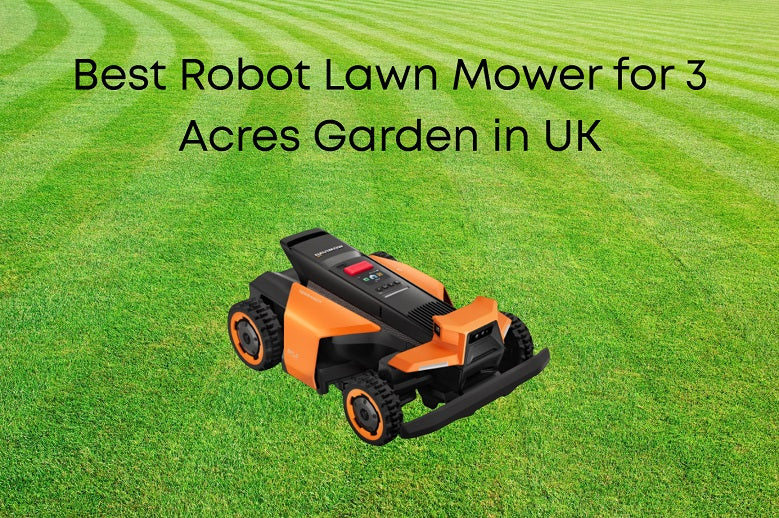
The best way to maintain shade-tolerant grasses is with a robotic lawn mower. Just set the optimal height and schedule, and it will mow your lawn automatically. You don’t have to put in any effort or spend your time. Your lawn will also be well-maintained even if you are away.

Proper Watering
An adequate amount of watering is important for a healthy shade-tolerant grass. You have to ensure the soil doesn’t stay damp for a long period. It invites fungus and other lawn diseases and pests.
Because the soil receives less sunlight, evaporation is slower. The idea is to water deeply and infrequently. It’s better to understand your grass and water it when it needs it. Ideally, you should water early in the morning, so the grass has enough time to dry out.
If the grass is in dry shade, such as under mature trees, there will be scarcity of water. These old trees drink hundreds of litres of water each day. You can water this area once or twice a week. The water should reach 100mm to 150mm into the soil. This deep and infrequent watering schedule is more than enough. Avoid shallow daily sprinkling.
For grass in the wet shaded areas, you might not need to water at all. The soil in these areas is often waterlogged as the airflow is low. Always check the moisture level in the soil with your finger. If it feels damp, do not water. But if it’s dry, you can sprinkle a bit.
Less Fertilisation
You might think your lawn in the shade needs more fertiliser. But in reality, it needs less. Too much fertiliser can actually damage your lawn.
The reason is that shade grass grows slowly, and it needs fewer nutrients than the grass under the scorching sunlight.
If you add too much fertiliser, it will accelerate growth and deteriorate the grass’s health. It will make the grass prone to diseases.
Shade-tolerant grasses require a different fertilisation approach. It requires less nitrogen, moderate phosphorus, and high potassium. Phosphorus is necessary for root development, while potassium thickens cell walls, improves disease resistance, and regulates water pressure.
Give a balanced, slow-release spring fertiliser with modest nitrogen in spring. Go with low-nitrogen fertiliser in the early summer. Lastly, use a dedicated autumn/winter feed, which is high in potassium and low in nitrogen.
Improve Light and Airflow
Even if your lawn receives less sunlight, you can try a few things to improve light and airflow. If there are trees around, maintain them.
Thin out the lower branches to give the grass more access to sunlight. Even if there is no direct sunlight, the dappled light will support its growth. Prune away the lowest branches of the trees and create a clearance of 2.5 to 3.5 metres from the ground.
Secondly, you can also remove the secondary branches. Reduce around 15% to 20% of the canopy without altering the shape. This allows more dappled light to reach the grass.
Lastly, do not leave grass clippings on the lawn. It will prevent sunlight and air from reaching the soil. Also, if there are leaves, make sure to remove them as soon as possible.

Moss Control
The favourite place for moss is shaded and wet areas. If you don’t control it, it will take over the space. You can use iron sulphate in cool and overcast weather to kill moss.
Never rake moss, as it will spread tiny spores across the bare patches. It will make it worse. Treat it first, and once it is dead, scarify it gently with a rake.
If you see any bare spot in your lawn, overseed it immediately. Otherwise, moss will see the opportunity and take the space.
Minimise Foot Traffic
It’s good to minimise foot traffic on shade-tolerant grasses as much as possible. Shade-tolerant grasses receive less light, which translates to limited energy production. Therefore, the grass takes longer to recover. In severe cases, the grass doesn’t have energy for self-repair and quickly turns into a bare spot.
Try to minimise foot traffic as much as possible. You can definitely walk on your lawn, but reduce high foot traffic, children’s activities, and dog runs.
Final Words
If your lawn receives only 4-6 hours of sunlight, do not experiment with a standard grass type. We have shared some of the best shade-tolerant grasses you can plant in the UK climate. Pick a suitable one by looking at the light it needs, benefits, weaknesses, and other details we have discussed. Plant them in your lawn and follow the maintenance tips. You will never have to see bare patches under shade again.