
Some lawn owners do not like leaving grass clippings on the lawn; they prefer bagging. They do it to prevent thatch build-up and grass clumps and ensure their lawn looks aesthetically pleasing.
But when they think about switching to a robot lawn mower to automate lawn mowing, their first question is whether robot lawn mowers collect grass or not.
The simple answer is NO. Robot lawn mowers do not collect grass. Now, the question is, where do these clippings go, and how do they affect your lawn? Let's find out.
Where Does the Grass Go in a Robot Mower?
Robot lawn mowers do not collect grass. They do Micro-clipping, which is a better option compared to both bagging and mulching.
Micro-clipping means cutting grass tips into extremely fine particles that are around 1-3 mm. These clippings are much smaller than the clippings you have in regular mulching (25-75 mm).
The reason for fine clippings is that robot mowers automate lawn mowing. They frequently cut the grass and do not let it overgrow.
Secondly, they are equipped with extremely sharp replaceable blades. They are thin and can precisely cut short clippings, which is not possible while using a traditional mower.
The fine clippings cut by a robot mower do not go anywhere. They are evenly spread across the mowed area. Thus, you don't need to dispose of them.
What are the Benefits of Micro-clipping?
Micro-clippings are beneficial for your lawn. They address the issues of mulching and bagging and offer a better solution. Here are a few advantages.
Quick Decomposition
Normal mulch clippings take weeks to decompose. But micro-clippings require only a couple of days.
Micro-clippings are extremely small, around 1-3 mm. That's why they break down easily and quickly.
After mowing, these fine clippings land on the soil and are quickly consumed by the soil bacteria. They hardly take 24-48 hours to decompose completely. Thus, you won't see the signs of clipping after a day or two.
Another important detail is that micro-clippings are turned completely into nutrients. Nothing is wasted, unlike mulching, where some grass clippings clump together and never decompose.

Provides Nutrients to Lawn
The micro-clippings provide essential nutrients to the lawn. The soil microbes break down the clippings into Nitrogen, Phosphorus, and Potassium. Nitrogen is the highest among all.
Through micro-clippings, lawn owners can reduce the nitrogen requirements of their lawns by 25-30%. It's a free fertiliser that's also eco-friendly.
Once the clippings are decomposed, the roots of the grass absorb the nutrients. Thus, by mowing your lawn using a robot lawn mower, you are not removing nutrients from your lawn and wasting them. They re-enter the plant after decomposition.
Does Not Affect Aesthetics
The problem with normal mulching is that the clippings are a bit large. They are heavy, and they remain suspended on the top of the grass. They badly affect the lawn's aesthetics. As a lawn owner, you might not like the appearance of your lawn after mulching. Secondly, they also stick to the pants and shoes when they are wet.
So, if there is any special event or visitors are coming over, you can't think about normal mulching.
Micro-clippings solve this problem. They are so light and small that they do not stay at the top of the grass. They land directly on the soil. Which means they are not visible, so there is no way they can harm the lawn's aesthetics.

No Clumping
Large clippings often clump together. They stay on the lawn and do not decompose. They affect the lawn aesthetics. But the worst part is that they block sunlight and create a favourable condition for mould and fungal diseases.
Micro-clippings do not clump. The fine particles are like dust that lands on the soil. They do not look bad on your lawn.
Prevents Thatch
Thatch is a layer of dead organic matter. If you leave large clippings on the lawn, it will contribute to the thatch layer and increase it over time. When the thatch becomes too thick, it does not allow water, air, and nutrient exchange, which is harmful for the grass.
Micro-clippings decompose quickly. They land on the soil, and the microbes decompose them and make them available for the grass roots within a day or two. Thus, they do not contribute to thatch.

Retains Water
The micro-clippings left on the lawn also act as a natural mulch. They shield the soil from sunlight and reduce evaporation.
During the hot summer, they regulate soil temperature and prevent grass roots from entering heat shock. That's how the grass can survive easily in extreme temperatures.
They retain moisture for a bit longer period. That said, you need to water the lawn less frequently.
Improves Soil Health
The tiny particles of micro-clippings are immediately available to the soil bacteria and other microbes. They feed these organisms and keep them alive in the soil.
These microbes are beneficial for the soil. Your grass cannot directly absorb the nutrients from grass clippings and other organic matter. These microbes break them down and make them accessible for the grass roots.
They also improve the soil structure. The bacteria and fungi produce sticky substances that bind tiny clay and silt particles. It improves air, water, and nutrient exchange.
Thus, these microbes and their food are extremely important.
Best Robot Lawn Mowers for Micro-clippings
Here are some incredible robot lawn mowers you can select for your lawn and enjoy the benefits of micro-clippings.
The Navimow i2 AWD
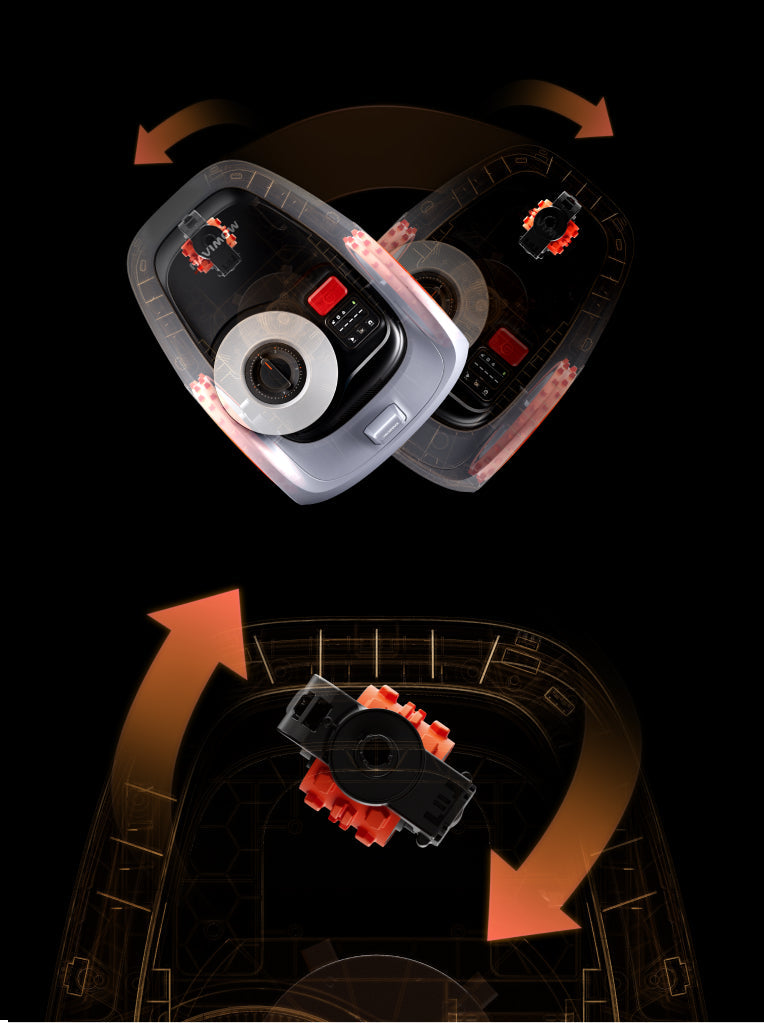
The Navimow i2 AWD series is suitable for lawns up to 800 m². These are compact lawn mowers with incredible features. They have a single-disc system with five blades. They can finely cut clippings, and you can adjust the height of the mower from 2–6 cm and cut almost any type of grass with precision.
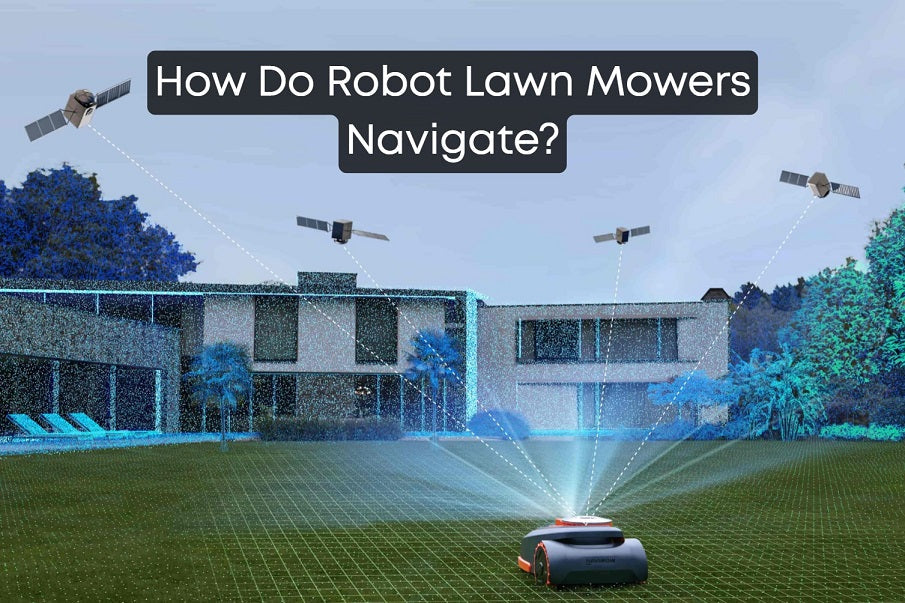
The mowers are equipped with an advanced All-Wheel Drive (AWD) system to work on difficult terrain. They handle slopes up to 45% (24⁰), root-covered terrain, and uneven stone paths. With the Xero-Turn™, they can make a quick 180⁰ turn and cover tight and difficult areas. They navigate your lawn with Network RTK and instantly detect 150+ objects with VisionFence™.

The Navimow H2
The Navimow H2 is built for extremely complex lawns up to 1500 m². It has a single-disc system with six blades. It cleanly cuts grass and has an anti-clogging disc to prevent frequent cleaning during the mowing process. You can control up to 30 zones with the mower and set the desired height and schedule.
The mower is known for its AI triple fusion system. It combines LiDAR, Network RTK, and Vision technologies for extreme navigation accuracy. It maps your whole lawn and works in complex settings, irrespective of the obstacles. Just drop it on the lawn, and it's ready to mow. With advanced obstacle detection, it detects 200+ obstacles and safely mows your lawn even if there are kids and animals around.

The Navimow X4
The Navimow X4 series is the master of difficult terrain, and it's suitable for lawns up to 5000 m². It has dual cutting discs powered by 180W motors. They can cut long, thick, and dense grass without any hassle.

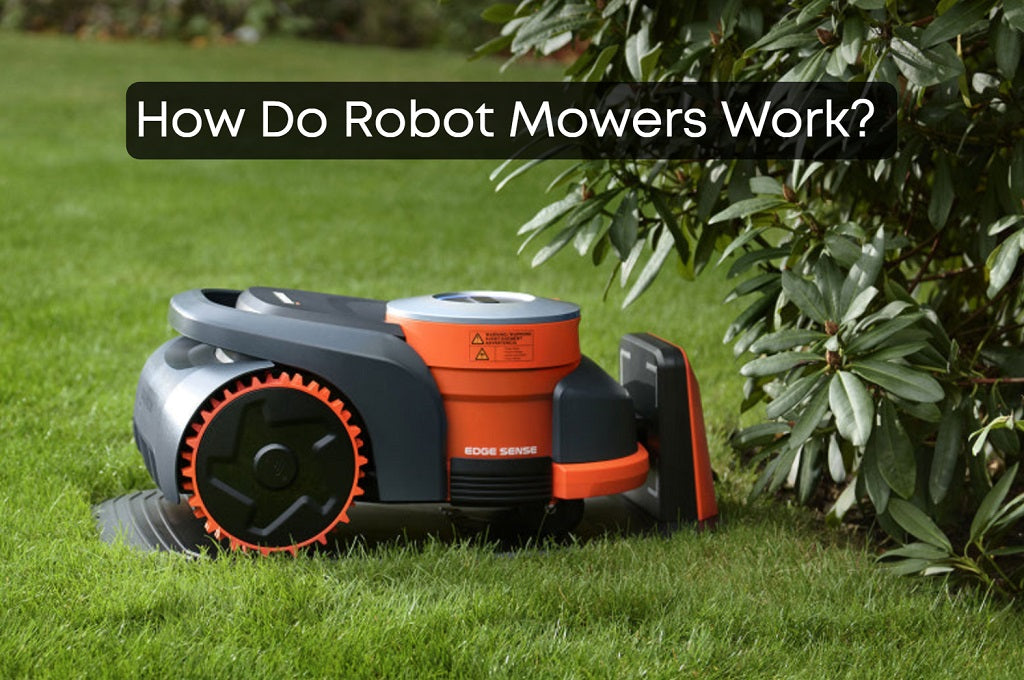
Due to two discs and 12 blades, the mower has a cutting width of 430 mm, which is why it covers a massive area in less time. Users can adjust the height between 20 and 95 mm, which makes it a perfect option for all grass varieties. With the EdgeSense™, it also takes care of the edges. It mows within 5 cm of walls and fences, and it also has a ride-on mode for edge-to-edge cutting on transitions and boundaries.
The mower is equipped with the All-Wheel Drive (AWD). It works on uneven surfaces, waterlogged lawns, stone paths, and steep slopes up to 84% (40⁰). It features Xero-Turn™, which allows it to make quick turns like a zero-turn mower. Using Network RTK, Vision, and VIO, it navigates massive lawns with precision. Plus, its AI-Powered 360° VisionFence™ and Animal Protection make it an incredibly safe option for residential lawns.

Final Words
Robot mowers do not collect grass. They neither mulch nor bag. Instead, they go with a better option, which is micro-clipping. These fine clippings of grass decompose quickly and address the issues of traditional options. They provide free nutrients to your lawn without harming its aesthetics and increasing thatch layers. Lawn owners are shifting to robot lawn mowers as they not only automate lawn mowing but also introduce micro-clippings to keep the lawn healthy.